Our Floating Stair & Cable Railing Installation Process
We keep the process clear and realistic. No mystery steps. No overcomplicated language.
Step 1: On-Site Evaluation
We look at your existing structure, ceiling height, wall framing, and floor system. Not every home is ready for floating stairs without modifications.
If structural work is needed, we explain why and what that involves.
Step 2: Design and Layout
This includes tread size, spacing, railing placement, and material choices. We also plan for lighting, handrails, and transitions so everything feels intentional.
This is where most people change their minds once they see options laid out clearly.
Step 3: Structural Prep
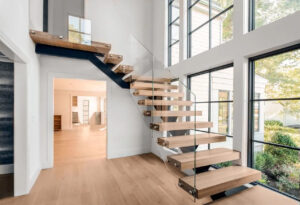
Hidden supports, steel stringers, anchoring points, and blocking are installed before finishes go in. This step determines how solid the final staircase feels.
Skipping this step is where many cheaper installs fail later.
Step 4: Stair and Railing Installation
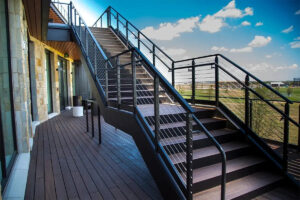
Once the structure is ready, we install treads, cable railings, posts, and handrails. Everything is leveled, tensioned, and secured.
Step 5: Final Review
We walk through the finished work with you, check alignment, spacing, and stability, and make sure it meets Florida building standards.
Materials We Commonly Use
Material choice affects both looks and long-term performance.
Stair Components
Cable Railing Materials
All materials are selected based on location, indoor or outdoor use, and exposure to humidity.
Indoor vs Outdoor Installations in Palm Beach Gardens
Outdoor installations need special attention. Coastal air, humidity, and heat matter.
For outdoor stairs and railings, we focus on:
-
Corrosion-resistant metals
-
Proper drainage and spacing
-
UV-stable finishes
-
Secure anchoring for wind exposure
Indoor systems focus more on aesthetics, noise reduction, and integration with flooring and walls.
Common Mistakes Homeowners Make
Here’s what we see most often.
-
Choosing style before structure
-
Underestimating code requirements
-
Using hardware not rated for Florida conditions
-
Poor cable tension leading to sagging
-
Incorrect stair rise or tread depth
These issues usually don’t show up right away. They appear months later, often right before resale or inspection.
Why Code Compliance Matters More Than People Think?
Florida building codes are strict for stairs and railings. For good reason.
Non-compliant stairs can:
We design and install with code in mind from the start so you’re not fixing problems later.
Why Homeowners Choose KMR Enterprises?
Homeowners work with us because we don’t rush structural work, and we don’t guess.
We focus on:
-
Licensed and insured remodeling work
-
Experience with structural stair systems
-
Clear communication during the project
-
Clean, precise installation
-
Materials rated for Florida conditions
Most of our clients come to us after seeing rushed or poorly planned installations elsewhere.
Floating Stair & Cable Railing FAQs
Are floating stairs safe for kids and pets?
Yes, when built correctly. We follow spacing rules, use solid treads, and add railings that meet code requirements.
Do floating stairs make noise?
They shouldn’t. Noise usually comes from poor anchoring or cheap materials. Proper installation eliminates movement and squeaks.
Can floating stairs be installed in an existing home?
Often, yes. Some homes need structural reinforcement. We evaluate this before starting.
Are cable railings allowed by code in Florida?
Yes, but spacing and tension rules must be followed. This is where many DIY or inexperienced installs fail.
How long does installation take?
Most projects take a few weeks, depending on design complexity and structural work.
Are cable railings hard to maintain?
Not really. Occasional cleaning and tension checks keep them looking and working well.
Serving Palm Beach Gardens Neighborhoods
We work throughout Palm Beach Gardens, including areas near PGA National, the Gardens Mall, Northlake Boulevard, and surrounding residential communities.
If you’re nearby and unsure if your home is a good fit, we’re happy to talk it through.
Ready to Talk Through Your Project?
If you’re serious about floating stairs or cable railings, the best next step is a real conversation about your space, your goals, and what’s actually possible.
No pressure. Just clear answers and honest guidance.